






Mexico, officially known as the United Mexican States (Estados Unidos Mexicanos), is a vibrant and diverse country that captivates the world with its rich history, colorful culture, and stunning landscapes. From ancient civilizations to modern innovations, Mexico’s story is one of resilience, creativity, and natural beauty. This article dives into 24 fascinating facts about Mexico, updated for 2025, offering a comprehensive look at what makes this North American gem so unique. Whether you’re planning a visit or simply curious, these facts will deepen your appreciation for Mexico’s heritage and contemporary allure. Let’s explore the heart of Mexico through its history, culture, geography, and more.
1. Mexico’s Official Name Reflects Its Federal Structure
Mexico’s full name, the United Mexican States, highlights its federal system, much like the United States of America. The country comprises 31 states and one federal entity, Mexico City, which serves as the capital. Each state has its own constitution and government, contributing to a diverse national identity that blends regional traditions with a unified Mexican spirit.
2. Home to the World’s Largest Pyramid by Volume
Contrary to popular belief, the largest pyramid in the world by volume is not in Egypt but in Mexico. The Great Pyramid of Cholula, located in Puebla, has a base four times larger than the Great Pyramid of Giza and a volume of over 4.5 million cubic meters. Built around 300 BC by the Choluteca people, it was later mistaken for a hill by Spanish colonizers, who constructed a church on top. This hidden marvel remains a testament to Mexico’s ancient architectural prowess.
3. Mexico City: A Sinking Metropolis
Mexico City, one of the largest cities in the world with a metropolitan population of approximately 22 million, is built on the ancient Lake Texcoco. This unstable foundation causes the city to sink at an alarming rate of up to 20 inches per year due to groundwater extraction. Once the Aztec capital of Tenochtitlán, the city’s unique geography continues to shape its modern challenges.
4. Birthplace of Chocolate
Mexico is the cradle of chocolate, with the Aztecs and Mayans cultivating cacao thousands of years ago. The word “chocolate” derives from the Aztec term xocolatl, meaning “bitter water,” as they consumed it as a spiced beverage. Today, chocolate remains integral to Mexican cuisine, from mole sauces to traditional hot drinks.
5. The World’s Smallest Volcano
Mexico is home to Cuexcomate, considered the world’s smallest volcano, standing at just 43 feet tall in Puebla. Technically an inactive geyser, this natural wonder adds to Mexico’s geological diversity, which includes over 200 volcanoes, 48 of which are active. The state of Chiapas alone boasts five large and 30 smaller volcanic peaks.
6. A Biodiversity Hotspot
Mexico ranks among the world’s 17 megadiverse countries, hosting approximately 12% of global biodiversity. From the deserts of the north to the rainforests of the south, its ecosystems support unique species like the volcano rabbit, spider monkeys, ocelots, and macaws. The Monarch Butterfly Biosphere Reserve in Michoacán is a UNESCO World Heritage Site, where millions of monarchs migrate annually from Canada, covering 3,000 miles.
7. The Mesoamerican Reef: A Natural Wonder
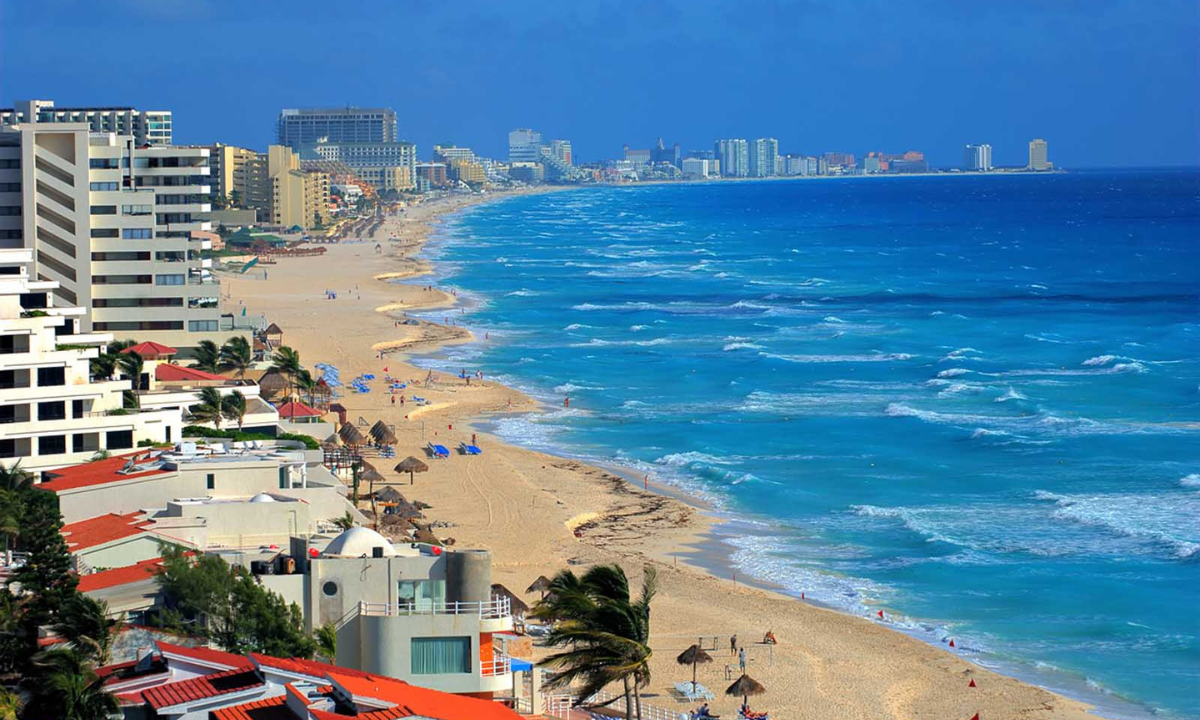
Stretching over 1,000 kilometers along Mexico’s Caribbean coast, the Mesoamerican Reef is the second-largest coral reef system in the world, after Australia’s Great Barrier Reef. This ecological treasure supports diverse marine life and attracts snorkelers and divers, particularly in Cancún and the Riviera Maya.
8. A Linguistic Melting Pot
Mexico recognizes 68 official languages, including Spanish and 63 indigenous languages like Nahuatl, Maya, and Zapotec. This linguistic diversity is unmatched in the Americas, reflecting the country’s deep indigenous heritage. Spanish, spoken by the majority, makes Mexico the largest Spanish-speaking nation by population.
9. The Oldest University in North America
Founded in 1551 as the Royal and Pontifical University of New Spain, the National Autonomous University of Mexico (UNAM) in Mexico City predates Harvard by 85 years. Despite closing during the 19th century, it reopened during the Mexican Revolution and remains a leading academic institution today.
10. Inventor of Color Television
Mexican engineer Guillermo González Camarena patented the first color television transmission system in 1940 at the age of 23. His technology was later used in NASA’s Voyager 1 mission, showcasing Mexico’s contributions to global innovation.
11. A Leader in Coca-Cola Consumption
Mexico consumes more Coca-Cola per capita than almost any other country, with an average of 634 servings (8-ounce portions) per person annually. This cultural staple often accompanies meals, though it has raised health concerns, prompting punitive taxes on sugary drinks in 2013.
12. The World’s Largest Taxi Fleet
Mexico City boasts the world’s largest taxi fleet, with over 100,000 registered cabs. Affordable fares make taxis a popular mode of transport, reflecting the city’s bustling urban life.
13. Día de los Muertos: A Joyful Celebration
Día de los Muertos (Day of the Dead), celebrated on November 1 and 2, is a vibrant Mexican holiday honoring deceased loved ones. Families create ofrendas (altars) with photos, candles, and favorite foods, while festivities include music, skeleton costumes, and sugar skulls. The iconic La Catrina image, originally a satirical cartoon by José Guadalupe Posada, symbolizes this cultural event.
14. The Chicxulub Crater: A Prehistoric Impact
The Yucatán Peninsula is home to the Chicxulub Crater, formed 65 million years ago by the asteroid that likely caused the extinction of the dinosaurs. Discovered in 1981 by PEMEX workers, the crater spans 180 square kilometers and is a significant geological site.
15. Frida Kahlo’s Global Legacy
Frida Kahlo, born in Mexico City in 1907, is one of Mexico’s most celebrated artists. Her 55 self-portraits, blending Mexican folk art with surrealism, are iconic. In 2010, she became one of four women featured on Mexican banknotes, alongside Sor Juana Inés de la Cruz, Hermila Galindo, and Carmen Serdán. Her Blue House in Coyoacán is a must-visit museum.
16. A Hub of UNESCO World Heritage Sites
Mexico is home to 35 UNESCO World Heritage Sites, including 27 cultural, 6 natural, and 2 mixed sites. Notable examples include the historic center of Mexico City, Xochimilco, and Chichén Itzá’s Temple of Kukulcán, one of the New Seven Wonders of the World. These sites highlight Mexico’s rich history and natural splendor.
17. The Toltec Civilization’s Lasting Influence
The Toltecs, a pre-Columbian civilization in central Mexico, thrived from the 10th to 12th centuries. Known for their urban society and hierarchical structure, they influenced the Aztecs through art and culture. Their capital, Tula, was abandoned around the 12th century, but their legacy endures in Mesoamerican history.
18. Cenotes: Sacred Sinkholes
Mexico’s Yucatán Peninsula is dotted with cenotes, natural sinkholes filled with crystal-clear water. Revered by the Mayans as sacred sites, these pools were used for rituals, including sacrifices. Today, they attract tourists for swimming and diving, offering a glimpse into Mexico’s geological and cultural history.
19. The World’s Longest Underwater Caves
The Yucatán Peninsula hosts the world’s two longest underwater cave systems, Sac Actun (380 km) and Ox Bel Ha (500 km). These subterranean networks, formed by limestone collapse, are a haven for adventurers and archaeologists exploring Mayan history.
20. Mexican Cuisine: A UNESCO Heritage
In 2010, UNESCO recognized Mexican cuisine as an Intangible Cultural Heritage, celebrating dishes like mole, tamales, and Chiles en Nogada. These recipes blend indigenous ingredients like corn, chilies, and chocolate with Spanish influences, creating a globally cherished culinary tradition.
21. A History of Independence
Mexico gained independence from Spain in 1821 after an 11-year war sparked by Miguel Hidalgo’s Grito de Dolores on September 16, 1810. Celebrated annually as Independence Day, this event united indigenous and mestizo communities against colonial rule, shaping modern Mexi