






Introduction: California’s Academic Powerhouse
The University of California (UC) system, founded in 1868, stands as a global leader in higher education, blending cutting-edge research, diverse campuses, and a public mission to serve. With 10 campuses—Berkeley, Davis, Irvine, Los Angeles, Merced, Riverside, San Diego, San Francisco, Santa Barbara, and Santa Cruz—plus affiliated law schools and national labs, UC educates 299,407 students, employs 26,100 faculty, and boasts 71 Nobel laureates among its alumni and staff (per UC Facts 2025). Its $53.6 billion budget dwarfs other public systems, fueling innovation in AI, medicine, and climate science (per LAO 2025). This 2,000-word guide, tailored for 2025, covers UC’s structure, admissions, academics, costs, student life, and future goals, offering insights for prospective students, parents, and educators. From Berkeley’s activist roots to UCLA’s 9% acceptance rate, here’s everything you need to know about UC.
The UC System: Structure and Scope
A Public Land-Grant Legacy
UC, headquartered in Oakland, is California’s land-grant university, established under the Morrill Act of 1866. It operates under the California Master Plan, alongside California State University (CSU) and community colleges, prioritizing research and accessibility. Governed by a 26-member Board of Regents, UC enjoys constitutional autonomy, balancing state oversight with independence (per UC Governance). Its 10 campuses serve distinct roles:
- Nine Undergraduate Campuses: Berkeley, Davis, Irvine, Los Angeles, Merced, Riverside, San Diego, Santa Barbara, and Santa Cruz enroll both undergraduate and graduate students across disciplines.
- UC San Francisco: A graduate-only campus focused on health sciences, ranking among the top medical schools globally (per U.S. News 2025).
- Affiliated Law School: UC College of the Law, San Francisco, is legally tied but autonomous.
UC manages three U.S. Department of Energy labs—Lawrence Berkeley, Lawrence Livermore, and Los Alamos—driving breakthroughs in nuclear physics and climate modeling (per UC Research). With 2.5 million alumni, UC’s network spans tech, politics, and arts, from Apple’s Tim Cook (UCLA) to Kamala Harris (UC Hastings).
2025 Snapshot
- Enrollment: 299,407 students (230,000 undergraduates, 69,000 graduates).
- Faculty/Staff: 26,100 faculty, 192,400 staff.
- Budget: $53.6 billion, with $10.8 billion in core funding (53% tuition, 43% state funds) (per LAO 2025).
- Research: $4.5 billion in annual grants, 1,000+ startups launched since 2000 (per UC Innovation).
- Rankings: Eight campuses are “Public Ivies”; Berkeley and UCLA rank #15 and #16 nationally (per U.S. News 2025).
Admissions: A Competitive Gateway
Application Process
UC’s single application portal (apply.universityofcalifornia.edu) covers all nine undergraduate campuses for a $80 fee per campus ($95 for international students). Key 2025 deadlines:
- Application Opens: August 1, 2024.
- Filing Period: November 1–30, 2024.
- Decisions Released: March 1–31, 2025 (e.g., UCLA: March 21, Berkeley: March 27) (per Ask Ms. Sun 2025).
- Waitlist Opt-In: April 15, 2025.
Applicants submit academic records, test scores (optional, as UC is test-blind), and four Personal Insight Questions (350 words each) emphasizing leadership, creativity, and challenges. No letters of recommendation are required unless requested (per UC Admissions).
2025 Admission Trends
UC received 249,824 applications for fall 2025, a 0.5% drop from 250,959 in 2024, with first-year applications down 1% (205,158) but transfers up 1.9% (44,666) (per Desert Sun 2025). Key stats:
- Acceptance Rates: Systemwide, 66% for freshmen (70% California residents, 56% out-of-state, 65% international). UCLA (9%) and Berkeley (12%) are toughest; Riverside (77%) and Merced (89%) are less selective (per SF Chronicle 2025).
- Demographics: 46.5% of applicants are from underrepresented groups (down from 47.1%), 40.3% are low-income, and 43.2% are first-generation (per UC News 2024).
- International Surge: Applications rose 8.7% (+2,567), reflecting UC’s global draw (per Ivy Central 2025).
Popular majors like computer science (3% at UCLA) and nursing (1%) are highly competitive, with admitted GPAs often 4.0–4.3 (per SF Chronicle 2025). UC prioritizes equity, with outreach to underserved communities and a comprehensive review process weighing 14 factors, from GPA to extracurriculars.
Tips for Applicants
- Start Early: Draft essays in August; use UC’s free workshops (admission.universityofcalifornia.edu).
- Highlight Impact: Essays should showcase resilience or leadership (e.g., founding a club, overcoming hardship).
- Maximize Campuses: Apply to 4–6 campuses to balance selectivity (e.g., UCLA, Irvine, Riverside).
- Check Portals: Set up accounts (e.g., MyUCR, MAP@Berkeley) post-submission for updates.
- Financial Aid: 55% of undergraduates receive aid; apply via FAFSA or CA Dream Act by March 2, 2025 (per UC Financial Aid).
Academics: Excellence and Innovation
Programs and Majors
UC offers 800+ majors across 150 disciplines, from aerospace engineering to ethnic studies. Top programs include:
- STEM: Berkeley’s computer science, UCLA’s bioengineering, and San Diego’s data science lead globally, with 30% of grads entering tech (per UC Careers).
- Humanities/Social Sciences: Santa Barbara’s global studies and Davis’s psychology rank in the top 50 (per QS Rankings 2025).
- Professional Schools: UCLA’s Anderson School (MBA) and Berkeley’s Law School are top-tier, with 90% placement rates (per UC Grad Reports).
UC’s quarter system (10-week terms) demands rigor, with most classes under 30 students and labs at 20–29 (per Ivy League Prep 2022). Interdisciplinary options, like Irvine’s Global Middle East Studies, foster flexibility.
Research Opportunities
As California’s primary research agency, UC secures $4.5 billion in grants annually, fueling 1,500+ inventions (per UC Research). Undergraduates access:
- Research Programs: UC Berkeley’s URAP pairs 1,200 students with faculty yearly; UCSD’s TRELS funds 500 projects ($1,000–$5,000).
- Labs: Students work at Lawrence Berkeley Lab or UC Davis’s Genome Center, contributing to AI and biotech breakthroughs.
- Startups: UC’s 1,000+ startups since 2000 include Lyft and 23andMe, with incubators like UCLA’s Startup Lab (per UC Innovation).
Faculty and Recognition
UC’s 26,100 faculty include 71 Nobel laureates, 400+ National Academy members, and 1,000+ Fulbright scholars (per UC Facts 2025). Berkeley’s Jennifer Doudna (CRISPR) and UCLA’s Terence Tao (Fields Medalist) exemplify excellence. Student-faculty ratios average 19:1, ensuring mentorship (per U.S. News 2025).
Costs and Financial Aid
Tuition and Expenses
For 2025–26, UC’s costs vary by residency (per UC Tuition):
- In-State: $14,208 (tuition) + $18,000 (housing, food) = ~$32,208/year.
- Out-of-State/International: $46,503 (tuition) + $18,000 = ~$64,503/year.
- Graduate Programs: $21,000–$68,000 (e.g., UCLA MBA: $68,000) (per Shiksha 2025).
Total cost of attendance, including books and travel, ranges $35,000–$70,000. UC’s $10.8 billion core budget relies on tuition (53%, $5.7 billion) and state funds (43%, $4.6 billion), but a $272 million state cut in 2025–26 raises tuition reliance (per LAO 2025).
Financial Aid
UC’s robust aid covers 55% of undergraduates, with 33% paying no tuition (per UC Financial Aid). Key programs:
- Blue and Gold Plan: Covers tuition for California residents with family incomes under $80,000.
- Pell Grants: 40% of students receive $5,000–$7,000 annually.
- Scholarships: 20,000 awards ($500–$20,000) via campuses and donors.
- Work-Study: 10,000 students earn $10–$15/hour, 20 hours/week.
International students access limited aid, but merit scholarships (e.g., UCSD’s Regents, $10,000) help. Average debt at graduation is $19,000, below the national $30,000 (per UC Data 2025).
Budget Challenges
A projected $30 billion state deficit in 2026–27 threatens UC’s $556 million planned increase, potentially raising tuition or cutting courses (per LAO 2025). UC plans to hold faculty positions open, increasing class sizes in fall 2025, but community colleges may absorb overflow (per LAO 2025).
Student Life: Vibrant and Diverse
Campus Cultures
Each UC campus offers a unique vibe:
- Berkeley: Activist hub, with 1,000+ clubs and protests on Sproul Plaza. Think Free Speech Movement and vegan co-ops.
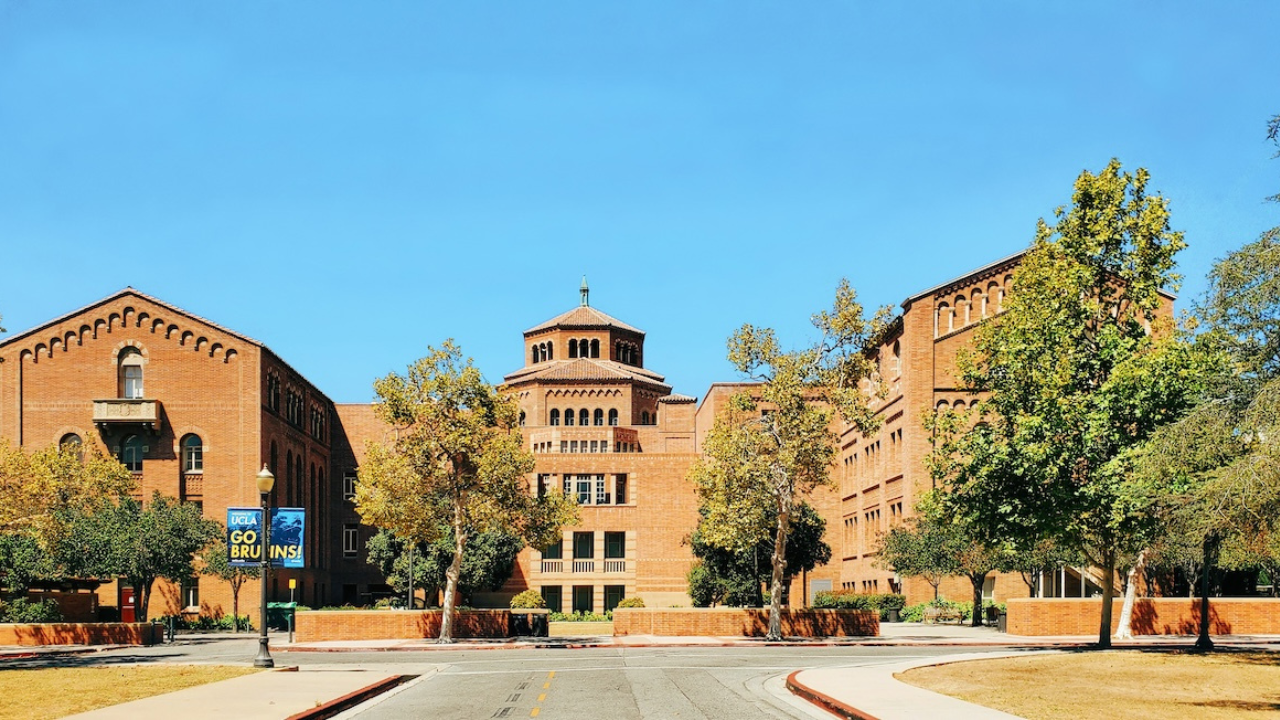
- UCLA: Urban energy in Westwood, with 33,040 students and traditions like Spring Sing (per U.S. News 2025).
- Santa Barbara: Coastal paradise, with surfing at Campus Point and top-tier global studies.
- Merced: Smallest campus (9,000 students), tight-knit, with R1 research status (per UCnet 2025).
Housing options include dorms ($10,000–$15,000/year), co-ops ($8,000), and off-campus apartments ($12,000–$20,000). 60% of freshmen live on-campus (per UC Housing).
Diversity and Inclusion
UC’s 2025 class reflects California’s mosaic:
- Ethnicity: 46.5% underrepresented (Latinx, Black, Native American), 30% Asian, 20% White, 3% other.
- First-Generation: 43.2% of freshmen.
- International: 17% of students from 90 countries (per UC News 2024).
Initiatives like UC Davis’s SEA Change (silver award for DEI) and Berkeley’s African American Initiative Scholarship (27 recipients in 2025) drive equity (per UCnet 2025). X posts praise UC’s inclusivity: “Berkeley’s bridges program made me, a first-gen, feel at home.”
Activities and Traditions
UC’s 1,000+ student organizations span robotics clubs to cultural dance teams. Highlights:
- UCLA’s Spring Sing: A 5,000-attendee talent show.
- Davis’s Picnic Day: A 100-year-old festival with 50,000 visitors.
- Santa Cruz’s Banana Slug Mascot: A quirky symbol of resilience.
Athletics thrive, with UCLA’s 118 NCAA titles and Berkeley’s 100+ Olympic medals (per UC Athletics). Intramural sports engage 20,000 students yearly.
UC 2030: Ambitious Goals
UC’s 2030 plan targets equity and impact (per UC 2030):
- Graduation Rates: Boost to 90% (currently 86%), saving students $215,000 in earnings via four-year degrees.
- Equity: Eliminate disparities for low-income, underrepresented, and first-gen students.
- Degrees: Produce 1.2 million graduates by 2030, up 20% from 2015.
- Research: Expand AI, climate, and health innovations, with 50% of grants targeting societal challenges.
Campuses like UCLA (Green Grounds Certification) and Merced (solar-over-canal project) lead sustainability (per UCnet 2025). X posts applaud: “UC’s 2030 vision is bold—equity + innovation.”
Challenges and Criticisms
- Funding Cuts: A $272 million state reduction in 2025–26 may hike tuition or limit courses (per LAO 2025).
- Selectivity: UCLA’s 9% rate and Berkeley’s 12% exclude many qualified applicants (per SF Chronicle 2025).
- Enrollment Pressure: UC fell 1,383 students short of its 2023–24 target, risking access (per LAO 2024).
- Cost for Non-Residents: $64,503/year burdens international and out-of-state students.
UC counters with aid, transfer pathways (40.1% of transfers are underrepresented), and community college partnerships (per UC News 2024).
Why UC Stands Out
UC’s blend of scale, prestige, and mission sets it apart:
- Global Impact: 71 Nobels, 1,000+ startups, and labs shaping AI and energy.
- Accessibility: 55% of students receive aid, with 33% paying no tuition.
- Diversity: 46.5% underrepresented, reflecting California’s future.
- Value: In-state costs ($32,208) beat private peers ($60,000+), with 90% grad job placement (per UC Careers).
X posts reflect pride: “UCSD’s research + SoCal vibes = dream school.”
Planning Your UC Journey
For 2025 applicants:
- Apply: November 1–30, 2024, at apply.universityofcalifornia.edu. Budget $320–$480 for 4–6 campuses.
- Prep: Take A-G courses (per UC Admissions), aim for a 4.0+ GPA, and draft essays early.
- Aid: File FAFSA/Dream Act by March 2, 2025; explore scholarships at ucal.us/scholarships.
- Visit: Virtual tours at ucampus.edu; in-person open houses (e.g., UCLA’s Bruin Day, April 2025).
- Visa: International students need an F-1 visa ($500, apply post-acceptance at usembassy.gov).
Sample Budget (1 Year, In-State):
- Tuition: $14,208
- Housing/Food: $18,000
- Books/Travel: $3,000
- Total: ~$35,208
Conclusion: UC’s Enduring Promise
The University of California isn’t just a school system—it’s a catalyst for progress. From Berkeley’s Nobel labs to Merced’s R1 rise, UC blends elite academics, diverse voices, and public service. In 2025, its 299,407 students, $53.6 billion budget, and 2030 vision signal a future of equity and innovation. Challenges—funding cuts, selectivity—persist, but UC’s aid, transfers, and research keep it accessible and impactful. Apply by November 30 at apply.universityofcalifornia.edu; pack for 15–25°C campuses and vibrant quads. UC isn’t just an education—it’s a launchpad for world-changers. Join the legacy.