


Why Visit Sarajevo?
Sarajevo’s allure lies in its ability to balance a tumultuous history with a vibrant, forward-looking spirit. From the Ottoman-era Baščaršija to war-torn sites turned into symbols of peace, the city tells a story of resilience. Its compact size makes it walkable, affordable, and ideal for travelers seeking authentic experiences without the crowds of Western Europe. With a daily budget of $30–$60, backpackers and mid-range travelers can enjoy hearty Bosnian cuisine, affordable accommodations, and a wealth of free or low-cost activities. Whether you’re drawn to history, culture, or the surrounding mountains, Sarajevo delivers a profound and unforgettable travel experience.
Top Things to Do in Sarajevo
1. Stroll Through Baščaršija, the Ottoman Heart
Baščaršija, Sarajevo’s historic Ottoman bazaar, is the city’s beating heart. Established in the 15th century, this cobblestone district is lined with low-slung shops, mosques, and cafes. Key highlights include:
- Gazi Husrev-beg Mosque: Built in 1531, this is Bosnia’s most important mosque, with intricate interiors and a serene courtyard (entry: ~$2/4 BAM).
- Sebilj Fountain: A wooden Ottoman-style fountain in Baščaršija Square, perfect for photos and a local legend—drink from it, and you’ll return to Sarajevo.
- Baščaršija Market: Browse for copper coffee sets, handmade carpets, and Bosnian sweets like lokum ($1–$5).
Savor a Bosnian coffee (served in a džezva) at a traditional cafe like Morića Han for $1–$2, and soak in the lively atmosphere of street musicians and vendors.
Pro Tip: Visit early morning for quieter streets and better photos. Wear comfortable shoes for the uneven cobblestones.
2. Explore the Sarajevo War Tunnel Museum
The Sarajevo War Tunnel (Tunel Spasa) was a lifeline during the 1992–1995 siege, allowing food, supplies, and people to move beneath the airport runway. The museum, located in a private home, offers guided tours ($5–$10/10–20 BAM) through a 20-meter section of the tunnel, alongside exhibits of war artifacts and videos. It’s a poignant reminder of Sarajevo’s resilience and the human cost of conflict.
Pro Tip: Combine with a visit to the nearby Abandoned Bobsled Track from the 1984 Winter Olympics, a graffiti-covered relic from the siege (free to explore).
3. Visit the Latin Bridge and Assassination Site
The Latin Bridge, a modest Ottoman-era structure over the Miljacka River, is where Archduke Franz Ferdinand was assassinated in 1914, sparking World War I. The nearby Museum of Sarajevo 1878–1918 ($2/4 BAM) details this pivotal event. The bridge’s historical significance and scenic setting make it a must-visit.
Pro Tip: Walk the Miljacka River promenade afterward for views of Sarajevo’s colorful buildings and bridges.
4. Discover the War Childhood Museum
This award-winning museum captures the Bosnian War through the eyes of children, displaying personal items like toys, diaries, and drawings alongside oral histories. Entry costs $5/10 BAM, and the emotional exhibits offer a unique perspective on the war’s impact. It’s a moving experience that highlights Sarajevo’s healing journey.
Pro Tip: Allow 1–2 hours to fully engage with the exhibits. The museum is near Baščaršija, making it easy to combine with a walking tour.
5. Wander Ferhadija Street and the “Meeting of Cultures”
Ferhadija Street, connecting Baščaršija to the Austro-Hungarian district, is a microcosm of Sarajevo’s diversity. A brass plate on the pavement marks the “Sarajevo Meeting of Cultures,” where Ottoman and Western architectures blend. Explore shops, cafes, and landmarks like the Cathedral of the Sacred Heart and Eternal Flame, a WWII memorial (both free).
Pro Tip: Stop at Cevabdzinica Petica for čevapi (grilled sausages in pita, $3–$5) to fuel your walk.
6. Hike or Cable Car to Mount Trebević
Mount Trebević, a 1,627-meter peak overlooking Sarajevo, offers stunning city views. Take the cable car from Skenderija ($10/20 BAM round-trip) or hike the 2-hour trail from Baščaršija (free). At the summit, explore the Abandoned Bobsled Track or relax at a cafe like Vidikovac Zmajevac. In winter, the mountain is a budget-friendly spot for sledding or snowshoeing.
Pro Tip: Hike down via the Pino Nature Hotel trail for a scenic descent. Bring water and sunscreen for summer visits.
7. Relax at Vrelo Bosne
Vrelo Bosne, a serene park at the source of the Bosna River, is a 30-minute drive or bus ride from Sarajevo ($2–$5 round-trip). Stroll through shaded paths, admire crystal-clear springs, and spot swans and ducks. Entry is $1/2 BAM, and horse-drawn carriage rides cost $5–$10. It’s perfect for picnics or a peaceful escape.
Pro Tip: Pack a picnic from Baščaršija Market to save on food. Visit on weekdays to avoid local crowds.
8. Savor Bosnian Cuisine
Sarajevo’s food scene is hearty, affordable, and diverse. Must-try dishes include:
- Čevapi: Grilled sausages in somun bread with onions ($3–$5 at Željo or Petica).
- Burek: Flaky pastry filled with meat, cheese, or spinach ($2–$4 at Buregdžinica Bosna).
- Baklava: Sweet layered pastry with nuts ($1–$2 at Rahatlook).
- Bosnian Coffee: Strong, unfiltered coffee served with lokum ($1–$2).
For a splurge, dine at Dveri or Avlija ($10–$15/meal) for traditional dishes in charming courtyards.
Pro Tip: Visit local bakeries for fresh pita bread ($0.50–$1) to pair with market-bought cheeses for budget meals.
9. Visit the Jewish Museum
Housed in a 16th-century synagogue, the Jewish Museum ($2/4 BAM) chronicles Sarajevo’s Sephardic and Ashkenazi Jewish heritage. Exhibits highlight the community’s role in the city’s multicultural fabric, including during the Ottoman and Austro-Hungarian eras. The nearby Old Orthodox Church ($1/2 BAM) adds to the area’s religious diversity.
Pro Tip: Combine with a visit to the nearby Sarajevo City Hall (Vijećnica), a restored Austro-Hungarian masterpiece ($3/6 BAM).
10. Explore the Yellow Fortress
The Yellow Fortress (Žuta Tabija), a 17th-century Ottoman bastion, offers panoramic views of Sarajevo, especially at sunset. It’s a short, steep walk from Baščaršija (free) and a popular spot for locals to gather. The adjacent Kovači Cemetery honors war victims, adding a somber historical context.
Pro Tip: Bring a snack to enjoy the sunset. Avoid the steep path at night for safety.
11. Shop and Haggle at Markale Market
Markale Market, a bustling outdoor market near Ferhadija, is ideal for fresh produce, cheeses, and souvenirs like handmade scarves ($2–$10). The market was the site of tragic bombings during the war, making it a place of both commerce and remembrance. Nearby Galerija 11/07/95 ($5/10 BAM) documents the Srebrenica genocide, offering historical context.
Pro Tip: Bargain politely for souvenirs. Combine with a visit to the nearby Sarajevo Roses, red resin-filled mortar scars commemorating war victims (free).
12. Ski or Hike Jahorina and Bjelašnica
In winter (December–March), Sarajevo’s Olympic mountains, Jahorina and Bjelašnica, offer affordable skiing ($20–$40/day for rentals and lift passes). In summer, hike trails with views of alpine meadows and forests (free or $10–$20 for guided tours). Both are 30–45 minutes from the city by bus ($5–$10 round-trip).
Pro Tip: Rent gear in Sarajevo to save money. Book guided hikes through Green Visions for expert-led tours.
13. Experience Sarajevo’s Nightlife
Sarajevo’s nightlife is vibrant and budget-friendly. Kino Bosna hosts live sevdah music ($2–$5 entry), while Zlatna Ribica offers quirky decor and cocktails ($3–$6). For dancing, The Club or Pink Houdini play Balkan beats ($5–$10 entry). Baščaršija’s cafes stay lively late, serving rakija (fruit brandy, $1–$2).
Pro Tip: Check event schedules on Sarajevo’s tourism website for free concerts or festivals, especially in summer.
14. Take a Day Trip to Mostar
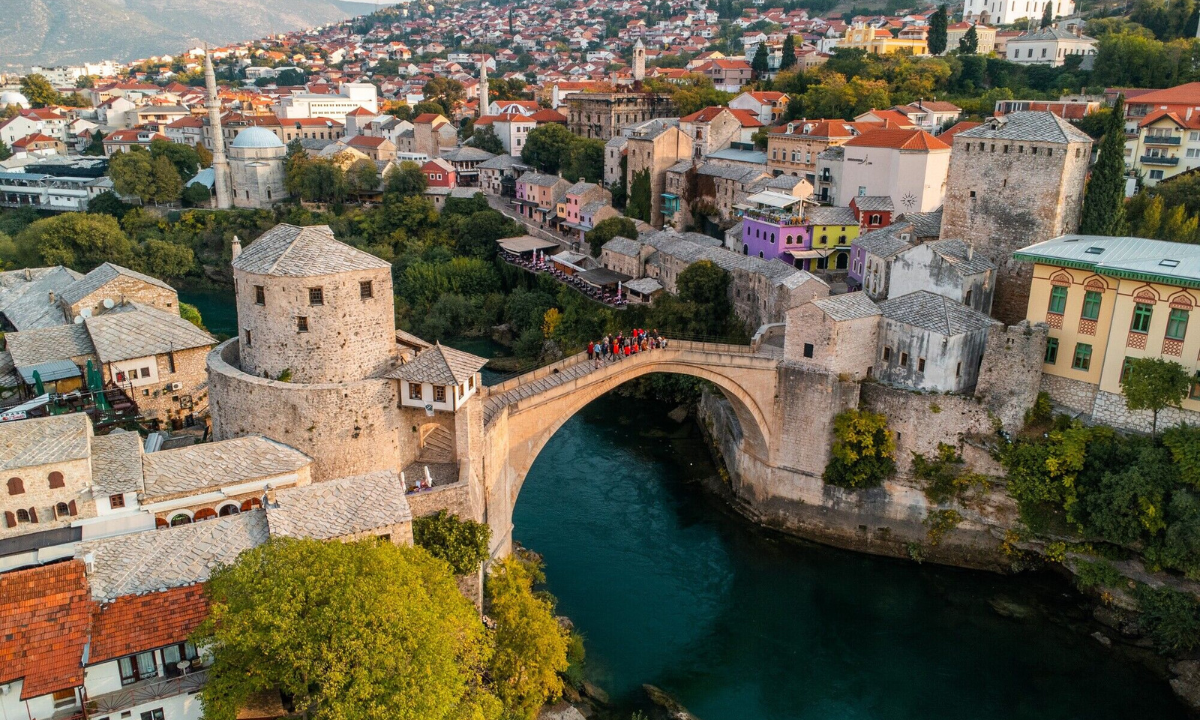
A 2.5-hour bus ride from Sarajevo ($10–$15 round-trip), Mostar is famous for its iconic Stari Most (Old Bridge) and Ottoman architecture. Watch divers leap from the bridge (tip $1–$2) or explore the Old Bazaar. Budget hostels like Hostel Nina ($10–$15/night) make it an affordable day trip or overnight stay.
Pro Tip: Book buses through BalkanViator for reliable schedules. Visit early to avoid tourist crowds.
15. Join a Free Walking Tour
Free walking tours, offered by guides like Neno & Friends, cover Sarajevo’s history, war sites, and hidden gems (tip $5–$10). Specialized tours, like war history or food tours ($10–$20), provide deeper insights into the city’s past and culture.
Pro Tip: Book online in advance for small-group tours. Wear comfortable shoes for 2–3-hour walks.
Planning Your Sarajevo Adventure
Suggested 5-Day Itinerary:
- Day 1: Baščaršija & History
Arrive in Sarajevo, stay at Hostel Kucha ($10–$15/night, dorms) or Hotel Old Town ($40–$60/night). Explore Baščaršija, visit Gazi Husrev-beg Mosque, and dine at Željo ($3–$5). - Day 2: War Sites
Tour the War Tunnel Museum and Abandoned Bobsled Track ($5–$10). Visit the Yellow Fortress for sunset views (free). Dine at Dveri ($10–$15). - Day 3: Culture & Nature
Visit the War Childhood Museum and Jewish Museum ($7 total). Take a cable car to Mount Trebević ($10). Enjoy nightlife at Zlatna Ribica ($5–$10). - Day 4: Day Trip to Mostar
Take a bus to Mostar ($10–$15 round-trip), explore Stari Most, and return to Sarajevo. Dine at Buregdžinica Bosna ($2–$4). - Day 5: Markets & Departure
Shop at Markale Market, visit Galerija 11/07/95 ($5), and relax at Vrelo Bosne ($1–$5). Depart from Sarajevo International Airport (SJJ).
Practical Tips:
- Getting There: Fly to Sarajevo International Airport (SJJ) from Istanbul ($100–$200) or London ($150–$300). Airport taxis cost $10–$15; buses are $3.
- Transport: Sarajevo is walkable, but trams and buses cost $1/1.8 BAM (buy tickets onboard). Taxis are $5–$10 for short rides.
- Costs: Budget travelers can manage $30–$50/day (hostel, street food, free/low-cost activities). Mid-range travelers should plan $60–$100/day.
- Weather: Spring (April–June) and autumn (September–October) offer mild temperatures (15–25°C). Winter (December–March) is ideal for skiing; summer (July–August) is warm (25–30°C).
- Safety: Sarajevo is safe, but avoid unmarked areas near old war zones due to landmine risks. Check FCDO travel advice.
- Language: Bosnian is the primary language; English is widely spoken in tourist areas. Learn “Hvala” (thank you) and “Dobar dan” (good day).
- Sustainability: Support local businesses, avoid littering, and respect war memorials. Use reusable water bottles (tap water is potable).
Why Sarajevo?
Sarajevo’s transformation from a war-torn city to a vibrant cultural hub is nothing short of remarkable. Its blend of Ottoman, Austro-Hungarian, and Slavic influences creates a unique tapestry, from the bustling Baščaršija to the serene Vrelo Bosne. The city’s affordability, with hearty meals and budget accommodations, makes it ideal for travelers seeking value without sacrificing experience. Whether you’re exploring war tunnels, hiking Olympic mountains, or savoring čevapi, Sarajevo offers a profound journey through history and hope. Plan your trip, embrace the city’s warmth, and let Sarajevo’s story of resilience inspire you.