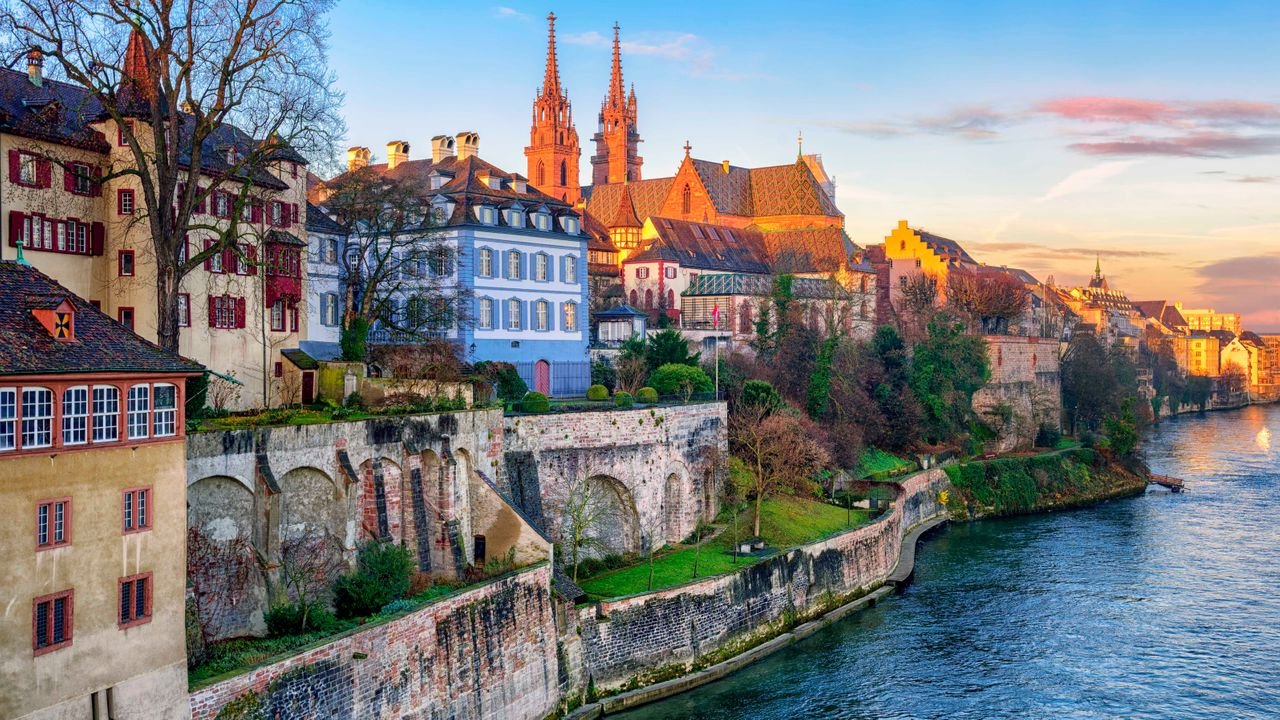

Switzerland, a land of soaring Alps, crystal-clear lakes, and charming towns, is a dream destination for travelers seeking natural beauty and cultural richness. This 14-day itinerary, designed for train travel, takes you through Switzerland’s iconic landscapes, historic cities, and breathtaking panoramic routes. Using the efficient Swiss Travel Pass, you’ll explore vibrant cities like Zürich and Lucerne, alpine villages like Zermatt and Grindelwald, and scenic train journeys like the Glacier Express and Bernina Express. Whether you’re marveling at the Matterhorn, wandering medieval streets, or hiking in the Jungfrau region, this itinerary ensures an unforgettable adventure. Let’s dive into your two-week journey through Switzerland’s trains, towns, and Alps.
Day 1: Arrive in Zürich
Begin your Swiss adventure in Zürich, Switzerland’s largest city and a hub of culture and history. Arrive at Zürich Airport and take a short train ride (10 minutes) to Zürich Hauptbahnhof. Check into a centrally located hotel, such as Hotel Schweizerhof or Hotel Adler, for easy access to the city center.
Spend the afternoon exploring Zürich’s Old Town (Altstadt), with its cobblestone streets and historic buildings. Visit the Grossmünster, a Romanesque church with panoramic views from its tower, and stroll along the Limmat River to see the Rathaus (City Hall). For a relaxing end to the day, take a boat cruise on Lake Zürich or browse the luxury shops on Bahnhofstrasse. Dine at a traditional Swiss restaurant like Zeughauskeller, where you can try Zürcher Geschnetzeltes (veal in cream sauce). Overnight in Zürich.
Day 2: Zürich to Lucerne
Take a 45-minute train from Zürich to Lucerne, a picturesque city nestled at the foot of the Alps. Check into a hotel like Hotel des Balances, located in the heart of the Old Town with views of the Reuss River. Lucerne is known for its medieval architecture and stunning lake setting.
Start your day at the Chapel Bridge (Kapellbrücke), Europe’s oldest covered wooden bridge, adorned with colorful flower boxes and historic paintings. Next, visit the Lion Monument, a poignant tribute to the Swiss Guards. Climb the Museggmauer city walls for sweeping views of the city and Lake Lucerne. In the afternoon, take a scenic boat ride on Lake Lucerne or visit the Swiss Museum of Transport for an interactive experience. Enjoy dinner at Wirtshaus Taube, known for its hearty Swiss cuisine. Overnight in Lucerne.
Day 3: Lucerne – Mount Pilatus
Dedicate this day to exploring Mount Pilatus, one of Switzerland’s most accessible peaks. From Lucerne, take a local train to Alpnachstad (15 minutes), then board the world’s steepest cogwheel railway to the summit (7,000 feet). The views of the Central Swiss Alps and Lake Lucerne are breathtaking.
At the top, explore walking trails, visit the Dragon Path, or relax at the panorama terrace. Descend via cable car to Kriens, then take a short bus back to Lucerne. If time permits, visit the Rosengart Collection, a museum showcasing works by Picasso and Klee. Overnight in Lucerne.
Day 4: Lucerne to Interlaken
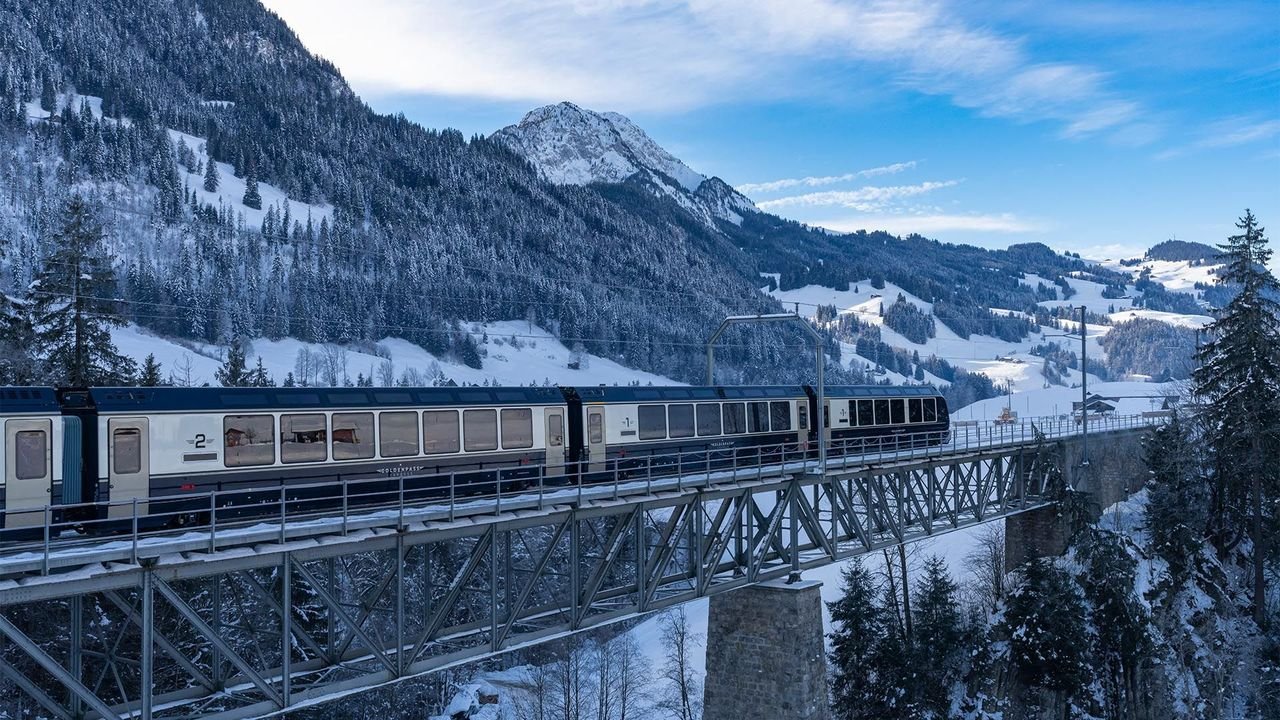
Hop on the Luzern-Interlaken Express, part of the GoldenPass Line, for a scenic 1-hour-50-minute journey to Interlaken. This train ride offers stunning views of lakes, waterfalls, and the Brünig Pass. Check into a hotel like Hotel Interlaken or Victoria-Jungfrau Grand Hotel & Spa, ideally located near Interlaken Ost station.
Interlaken, nestled between Lake Thun and Lake Brienz, is the gateway to the Bernese Oberland. Spend the afternoon exploring the town’s quaint shops and cafes or take a boat ride on Lake Brienz to admire the turquoise waters and surrounding peaks. For a quick adventure, ride the funicular to Harder Kulm for panoramic views of the Jungfrau region. Dine at Restaurant Laterne for local Swiss dishes. Overnight in Interlaken.
Day 5: Interlaken – Jungfraujoch
Embark on a bucket-list excursion to Jungfraujoch, the “Top of Europe” (3,466 meters). From Interlaken Ost, take a train to Grindelwald or Lauterbrunnen (20–30 minutes), then transfer to the Jungfraubahn cogwheel train to Kleine Scheidegg and finally to Jungfraujoch (about 2 hours total). The Swiss Travel Pass offers a discount on this route.
At Jungfraujoch, explore the Ice Palace, marvel at the Aletsch Glacier, and enjoy 360-degree views from the Sphinx Observatory. Dress warmly, as the summit is cold year-round. Return to Interlaken in the late afternoon and relax with a fondue dinner at Fondue Villa. Overnight in Interlaken.
Day 6: Interlaken – Lauterbrunnen and Mürren
Take a short 20-minute train from Interlaken Ost to Lauterbrunnen, a postcard-perfect village in the “Valley of 72 Waterfalls.” Visit Staubbach Falls, a 1km walk from the station, and wander the charming streets lined with alpine chalets. From Lauterbrunnen, take a cable car to Grütschalp, then a train to Mürren, a car-free village perched above the valley.
In Mürren, hike the easy North Face Trail for stunning views of the Eiger, Mönch, and Jungfrau peaks. For thrill-seekers, the Mürren via ferrata offers an exhilarating experience (book in advance). Return to Interlaken via cable car and train. Overnight in Interlaken.
Day 7: Interlaken to Montreux
Board the GoldenPass Express from Interlaken to Montreux (3 hours 45 minutes), a scenic ride through rolling hills and alpine landscapes. Check into a hotel like Fairmont Le Montreux Palace, located along Lake Geneva’s promenade.
Montreux, part of the Swiss Riviera, boasts a Mediterranean vibe. Stroll the lakefront promenade, visit the iconic Chillon Castle, a medieval fortress with stunning lake and mountain views, and explore the Old Town’s narrow alleys. If time allows, visit the Queen Studio Experience, where Freddie Mercury recorded his final songs. Dine at La Brasserie du Palace for lakeside views. Overnight in Montreux.
Day 8: Montreux to Zermatt
Take a 2-hour-45-minute train from Montreux to Zermatt, a car-free alpine village at the foot of the Matterhorn. Park in Täsch if driving, then take a shuttle train to Zermatt. Check into a hotel like Romantik Hotel Julen or Hotel Monte Rosa.
Spend the afternoon exploring Zermatt’s charming streets or visit the Matterhorn Museum to learn about the town’s alpine history. For a quick excursion, take a short hike to the Riffelalp viewpoint for Matterhorn views. Dine at Restaurant Schäferstube for traditional Valais cuisine. Overnight in Zermatt.
Day 9: Zermatt – Gornergrat
Ride the Gornergrat Bahn, Europe’s highest open-air cogwheel railway, to the Gornergrat summit (3,089 meters). The 30-minute journey offers unparalleled views of the Matterhorn and 29 surrounding peaks. At the summit, enjoy hiking trails, glacier vistas, or a meal at the Kulmhotel Gornergrat.
Return to Zermatt in the afternoon and consider a visit to the Matterhorn Glacier Paradise via cable car for additional alpine views. Relax in the evening with a cozy dinner at Restaurant Whymper-Stube, known for its raclette. Overnight in Zermatt.
Day 10: Zermatt to St. Moritz – Glacier Express
Board the Glacier Express, the “world’s slowest express train,” for an 8-hour panoramic journey from Zermatt to St. Moritz. This iconic route passes through 91 tunnels, over 291 bridges, and showcases alpine valleys and peaks. Reserve seats in advance, as the Swiss Travel Pass covers the journey but not the reservation fee.
Arrive in St. Moritz, an upscale alpine resort in the Upper Engadine valley. Check into a hotel like Hotel Grace La Margna or Kulm Hotel. Spend the evening strolling the lakeside path or relaxing at your hotel. Overnight in St. Moritz.
Day 11: St. Moritz – Bernina Express
Take the Bernina Express, a UNESCO World Heritage-listed train, from St. Moritz to Tirano, Italy (2 hours 15 minutes). The journey climbs over the Bernina Pass (2,253 meters), passing glaciers, lakes, and the famous Brusio circular viaduct. From Tirano, take the Bernina Express bus to Lugano (3 hours), traveling along Lake Como.
Arrive in Lugano, a Mediterranean-flavored city in Ticino. Check into a hotel like Hotel Splendide Royal. Explore the lakeside promenade or Parco Ciani in the evening. Dine at Ristorante La Tinèra for Italian-Swiss cuisine. Overnight in Lugano.
Day 12: Lugano – Gotthard Panorama Express
Embark on the Gotthard Panorama Express, a scenic train and boat journey back to Lucerne (5–6 hours). Start with a train from Lugano to Flüelen, crossing the Gotthard Pass, then transfer to a boat for a leisurely cruise on Lake Lucerne to Lucerne. The Swiss Travel Pass covers this route, but seat reservations are recommended.
Spend the evening revisiting Lucerne’s Old Town or relaxing by the lake. Overnight in Lucerne.
Day 13: Lucerne to Bern
Take a 1-hour train to Bern, Switzerland’s capital, known for its medieval Old Town and UNESCO World Heritage status. Check into a hotel like Hotel Bellevue Palace. Explore the Bear Park, home to the city’s symbolic bears, and visit the Zytglogge (Clock Tower) for its animated clock show. Stroll along the Aare River and visit the Bern Cathedral for panoramic views from its tower.
In the afternoon, explore the Einstein House or the Kunstmuseum for Swiss art. Dine at Restaurant Della Casa for traditional Bernese dishes. Overnight in Bern.
Day 14: Bern to Zürich and Departure
Take a 1-hour train from Bern to Zürich for your final day. If time allows, visit the Kunsthaus Zürich for its impressive art collection or take a final stroll along Lake Zürich. Head to Zürich Airport for your departure, concluding your 14-day Swiss adventure.
Practical Tips
- Swiss Travel Pass: Purchase a 15-day Swiss Travel Pass for unlimited train, bus, and boat travel, plus discounts on mountain excursions like Jungfraujoch and Gornergrat. Reserve seats for panoramic trains (Glacier Express, Bernina Express, Gotthard Panorama Express) in advance.
- Packing: Bring layers for unpredictable alpine weather, comfortable walking shoes, and a reusable water bottle. Sunglasses and sunscreen are essential for high-altitude excursions.
- Dining: Expect to spend $20–$50 per meal in Switzerland. Save money by grabbing snacks at train station grocery stores, like Migros or Coop.
- Timing: This itinerary is ideal from mid-April to mid-October for optimal weather and train schedules. Winter travel is stunning but may require adjustments due to snow.