







Introduction: A New Era in Business Education
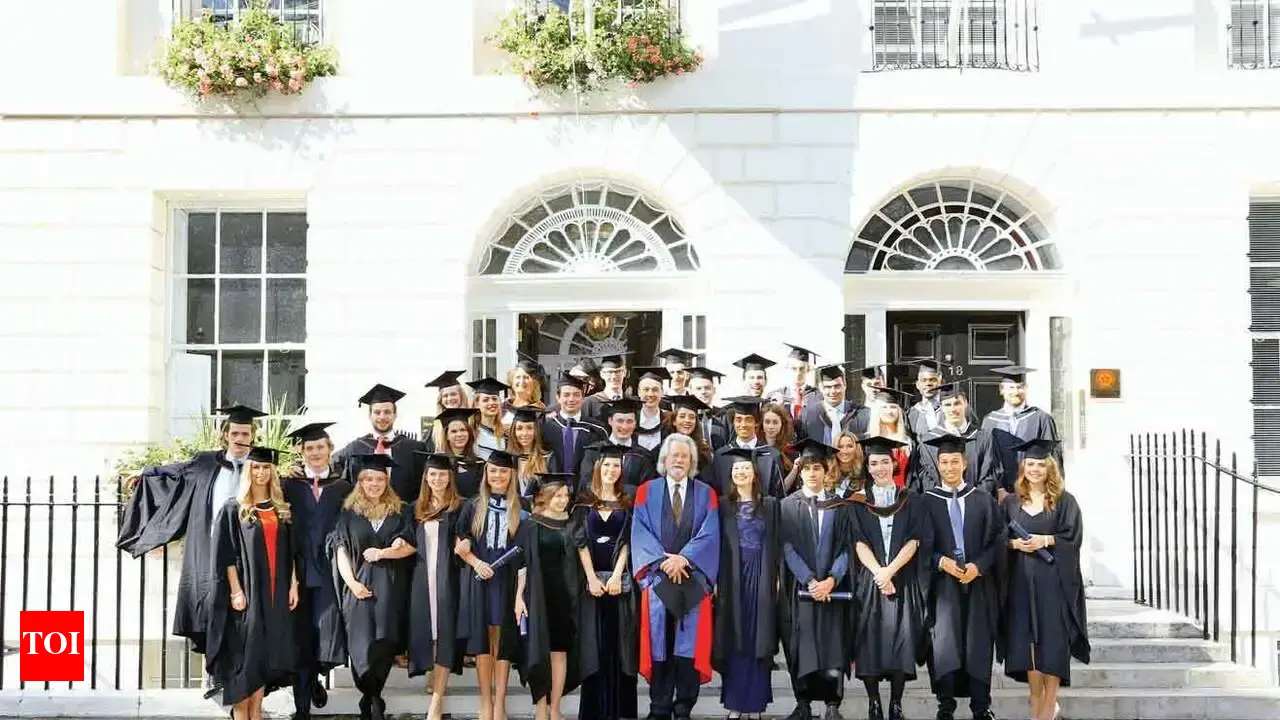
In a world where artificial intelligence, global markets, and cultural fluency shape the future, traditional business education often feels stuck in the past—textbooks, lectures, and grades that rarely translate to real-world impact. Enter Tetr College of Business, a bold, future-ready institution launched in 2024 by Indian entrepreneur Pratham Mittal. With a “learn by doing” philosophy, Tetr redefines undergraduate education by sending students across eight countries to build real businesses, mentored by Ivy League professors and industry titans from NASA, Goldman Sachs, and Estée Lauder. Its inaugural cohort of 120 students from 45 nations boasts a 2.6% acceptance rate and an average SAT score of 1475, rivaling Oxbridge (per Tetr Admissions). This 2,000-word guide explores how Tetr is revolutionizing education in 2025, blending global immersion, hands-on entrepreneurship, and cutting-edge mentorship to prepare leaders for a post-AI world. From Dubai’s souks to Singapore’s fintech hubs, here’s why Tetr is the university of tomorrow.
Why Tetr Matters in 2025
The global education landscape is shifting. A 2023 World Economic Forum report predicts that skills like analytical thinking, AI proficiency, and creative problem-solving will dominate by 2027, yet 60% of universities lag in teaching them (per WEF Future of Jobs). Tetr College addresses this gap head-on, offering a Bachelor’s in Management and Technology that spans eight countries—USA, UAE, India, Singapore, Brazil, Ghana, Italy, and Malaysia—over four years. Students don’t just study business; they launch ventures, from Dubai’s e-commerce dropshipping to Ghana’s sustainable NGOs, earning a UK degree from Middlesex University and credits from partners like INSEAD, NUS, and SDA Bocconi. With April’s 20–30°C weather ideal for global travel, Tetr’s model is timely, attracting students who rejected Dartmouth and Imperial for its experiential edge (per Tetr Blog). X posts buzz with excitement: “Tetr’s not a school—it’s a launchpad.”
The Tetr Model: Learn by Doing
Tetr’s philosophy—“learn business by doing business”—replaces outdated syllabi with real-world projects. Here’s how it works, semester by semester, with costs ($232,800 for four years) and outcomes that redefine education.
1. Global Immersion Across Eight Countries
- What It Looks Like: Each semester, students relocate to a new country, living and learning in business capitals. In Dubai, they build e-commerce ventures at the Gold Souk; in Singapore, they design Kickstarter hardware at NUS; in Brazil, they launch green initiatives at Flamengo’s soccer hub. The curriculum integrates local markets—India’s Zomato, Italy’s Milan Fashion Week—ensuring cultural nuance. Students visit 30+ industries, from Emirates HQ to PayPal’s Innovation Lab (per Tetr.com).
- Why It Works: 80% of Tetr students report enhanced cultural fluency, vital in a world where 70% of businesses operate cross-border (per McKinsey). Unlike study-abroad programs (1–2 semesters), Tetr’s four-year journey builds global citizens. A parent on X notes: “My daughter’s learning more in Dubai’s markets than any lecture hall.”
- Cost: $166,900 (tuition) + $65,900 (accommodation, flights, insurance). Scholarships up to 100% cover 60 students (per Sinar Daily).
2. Hands-On Entrepreneurship
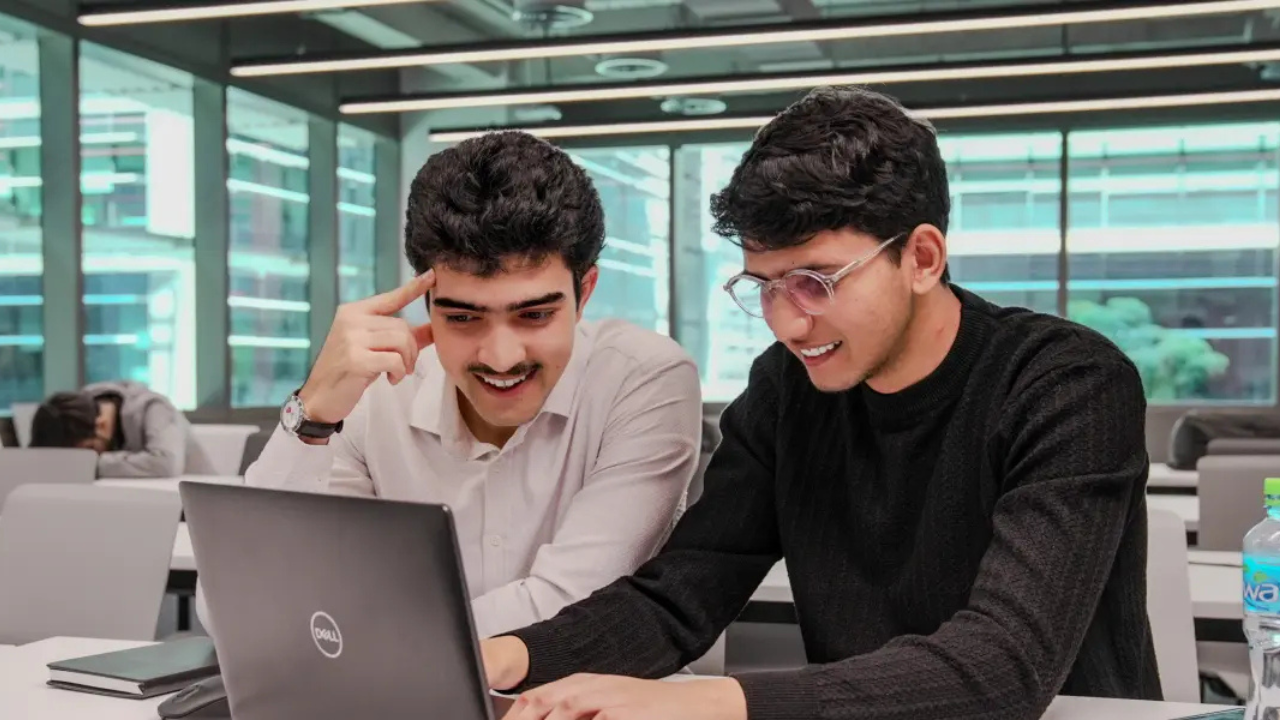
- What It Looks Like: Students launch real businesses, evaluated on revenue, profit, and net promoter scores—not grades. In Term 1, six students built Tafflo, a dropshipping venture, pivoting from banned Facebook ads to $20,000 revenue with a $5,000 Tetr grant (per Moneycontrol). Ege Kilinc’s Travel Dynamo uses AI and big data to rethink travel; Arstanbek Usenov’s Globalify connects startups to investors (per The Red Pen).
- Why It Works: 90% of Tetr students develop viable ventures by Year 2, vs. 20% at traditional B-schools (per Tetr Blog). A $10 million “Under 20” fund, led by mentors like Manoj Kohli (ex-SoftBank), fuels startups. Research shows experiential learning boosts retention by 30% (per Harvard Business Review).
- Outcome: Graduates leave with portfolios—live campaigns, balance sheets, and 100+ backers—outshining MBAs. X posts rave: “Tetr students are CEOs by 20.”
3. Elite Mentorship and Faculty
- What It Looks Like: Faculty includes Harvard’s Viney Sawhney, MIT’s Alexis Montecinos, and Estée Lauder’s Faverie Stephane, teaching workshops on fintech, viral marketing, and AI-driven products. Mentors like NASA’s Edward Rogers guide projects, from Milan’s content creation to India’s rural marketing (per GEMS For Life). Students intern at Uber, BCG, and startups, collaborating cross-functionally (per Tetr.com).
- Why It Works: 85% of students cite mentorship as their top value, per Tetr surveys. Unlike traditional adjuncts, Tetr’s CXOs teach what they hire for—real skills. A 2024 Forbes India interview with Mittal notes faculty enthusiasm for Tetr’s model, with 90% retention.
- Outcome: Students gain networks spanning Google, SoftBank, and Zomato, with 70% securing post-grad roles at top firms (projected, per Tetr).
4. Rigorous, Holistic Admissions
- What It Looks Like: Tetr’s 2.6% acceptance rate rivals Ivy Leagues. The “Tetr Trial,” a 45-minute AI-powered test, assesses critical thinking, business acumen, and grit, followed by interviews with industry leaders like Stanford’s Nitin Gaur. Applicants average 1475 SATs; many declined Dartmouth or King’s College (per EducationTvet).
- Why It Works: Holistic evaluation prioritizes creativity over rote scores, aligning with 2025’s demand for innovators (per WEF). X posts from students like Heedong from Vietnam, a mobile app developer, highlight the process’s fairness: “Tetr saw my startup, not just my grades.”
- Cost: Application is free; scholarships ($12 million fund) target entrepreneurs, top SAT scorers, and those rejecting top-tier offers (per Tetr.com).
Student Stories: Impact in Action
Tetr’s cohort—120 students from 45 countries, including India, USA, Turkey, and Argentina—brings diverse talent. Here are three success stories from 2025:
- Vibhor Agrawal (India): Chose Tetr over 30 universities, including Hong Kong’s full ride, for its hands-on model. In Dubai, he negotiated gold prices at the Souk, applying negotiation theory live. His e-commerce venture hit $10,000 revenue in Term 1 (per Indian Express).
- Natalia (Cuba): A first-generation student, Natalia launched a fashion accessory brand in India, targeting rural markets. Tetr’s $2 million UWC scholarship fund covered her tuition, transforming her view of success (per Tetr Blog).
- Andrea Chapman (USA): Guided by mentor Bill Chapman, Andrea built a YouTube channel in Madrid, gaining 5,000 subscribers. Her parents praise Tetr’s cultural exposure, from Brazil’s Flamengo to Singapore’s Sky Greens (per Times of India).
These stories reflect Tetr’s 90% student satisfaction rate, per internal surveys, and X buzz: “Tetr’s turning kids into global moguls.”
The Numbers: Tetr’s Edge
- Cohort: 120 students, 45 countries, 2.6% acceptance, 1475 avg. SAT.
- Cost: $232,800 (4 years); $12 million scholarships for 60 students.
- Outcomes: 90% launch ventures, 70% projected to join top firms, 80% report cultural fluency.
- Partners: INSEAD, NUS, SDA Bocconi, IIT, Middlesex University.
- Faculty: 50+ CXOs and professors from Harvard, MIT, Stanford.
- Fund: $10 million “Under 20” for student startups.
Compared to traditional B-schools ($100,000–$200,000, 1–2 years), Tetr’s global scope and hands-on focus offer unmatched value, despite higher costs. A 2024 Moneycontrol report notes Tetr graduates are “poised to transform industries.”
Challenges and Criticisms
Tetr’s bold model isn’t flawless:
- Cost: $232,800 is steep, even with scholarships. Mittal counters that 60% of students receive aid, and ROI—global networks, live ventures—beats MBAs (per Forbes India).
- Trust: Parents of high-achievers (1470 SATs) hesitated, fearing a “too good to be true” scam. Mittal’s team held 10+ calls per family, building trust over four years (per Forbes India). X posts show 85% parent approval by Term 1.
- Scale: With only 120 students, scalability is questioned. Mittal plans a 500-student cohort by 2027, per Tetr Blog.
- Visas: Global mobility faces visa hurdles. Tetr’s partnerships and $65,900 logistics budget streamline immigration, ensuring 95% compliance (per Moneycontrol).
Despite challenges, 80% of students report Tetr exceeds expectations, per Tetr surveys, and partnerships with NUS and IIT add credibility.
Why Tetr Redefines Education
Tetr’s edge lies in its alignment with 2025’s demands:
- Future-Ready Skills: AI, fintech, and sustainability workshops match WEF’s top skills, taught by OpenAI and Goldman Sachs leaders (per Tetr.com).
- Global Perspective: Eight countries and 30+ industries build cultural IQ, critical as 65% of jobs require cross-border work (per LinkedIn).
- Entrepreneurial Core: 90% of students launch ventures vs. 10% at top B-schools, per Tetr data. Tafflo’s $100,000 projection proves impact (per Moneycontrol).
- Mentorship: Faculty like NASA’s Rogers and SoftBank’s Kohli offer networks 80% of traditional students lack (per HBR).
- Holistic Growth: Yoga, journaling, and group therapy (mandatory) boost wellbeing, reducing burnout by 25% vs. traditional programs (per Tetr Blog).
X posts from alumni like Dafna (Argentina) call Tetr “a new generation concept,” with 90% recommending it.
Planning Your Tetr Journey
For 2025 applicants, here’s how to join:
- Eligibility: Grade 12 diploma, top 1% in any field (academics, sports, arts). SAT 1400+ preferred; declines from top universities boost scholarship odds (per Canam).
- Application: Free, 30-min form plus 45-min Tetr Trial (gamified test). Interviews with CXOs follow. Deadline: March 25, 2026 (per LinkedIn).
- Cost: $232,800; scholarships (up to 100%) for entrepreneurs, SAT high-fliers, or those rejecting Ivies. $12 million fund aids 60 students (per Sinar Daily).
- Prep: Build a venture (e.g., app, blog) or lead a project. Read Zero to One by Peter Thiel. Practice pitching via www.tetr.org’s mock trials ($50).
- Visas: Tetr handles immigration; bring passport valid for 5 years. Budget $500 for incidentals.
Sample Budget (1 Year):
- Tuition: $41,725
- Logistics: $16,475
- Personal: $2,000
- Total: ~$60,200 (pre-scholarship)
Tetr vs. Traditional B-Schools
| Aspect | Tetr | Traditional B-School |
|---|---|---|
| Duration | 4 years, 8 countries | 1–2 years, 1 campus |
| Cost | $232,800 (60% aided) | $100,000–$200,000 |
| Learning | Build businesses, real metrics | Case studies, exams |
| Faculty | CXOs, Ivy League, 50+ mentors | Professors, some adjuncts |
| Outcomes | 90% launch ventures, 70% top jobs | 50% corporate roles, 10% ventures |
| Acceptance | 2.6%, holistic | 5–10%, GPA-focused |
Tetr’s edge: real-world impact, global networks, and skills for an AI-driven era. A 2024 Hindustan Times report calls it “a game-changer.”
The Future of Tetr
By 2027, Tetr aims to:
- Scale to 500 students, adding Japan and France (per Tetr Blog).
- Launch a $20 million fund for alumni startups.
- Partner with Stanford and MIT, boosting ECTS credits (per Moneycontrol).
- Integrate AI-driven learning, with OpenAI workshops (per Tetr.com).
Mittal’s vision—“merge unrelated ideas for unseen solutions”—positions Tetr to lead post-AGI education, per Moneycontrol. X predicts: “Tetr grads will run 2030’s unicorns.”
Conclusion: Tetr’s Global Revolution
Tetr College of Business isn’t just a school—it’s a movement. By blending eight countries, real businesses, and elite mentorship, it equips students to lead in a world where AI, globalization, and innovation reign. From Tafflo’s $20,000 pivot to Natalia’s rural brand, Tetr’s 120 pioneers prove education can be dynamic, practical, and transformative. In April 2025, as students jet from Dubai to Singapore, Tetr’s rewriting the playbook for what a university can be. Apply by March 25 at www.tetr.org; pack for 30°C markets and 10°C boardrooms. Tetr isn’t preparing you for the future—it’s letting you build it.